Sunday, October 8, 2017

Blade Runner: 2049 Review


It has been nearly 35 years since a certain science fiction crime noir film came out in theaters and captured the imagination of the few viewers that gave it a chance despite not making back its money in production cost considering its lukewarm reception from critics and audiences alike.  However, with the numerous refined cuts and the final cut released in 2007, it has been recognized as a classic film that defined a visual language for many sci-fi films, TV shows, anime, and video games to move away from campy/exaggerated styles of the future to blend those ideals and themes with a grounded yet believable world that could exist.  What makes the seminal crime noir drama Blade Runner stand out from most films of that genre is the practical use of effects and set/art design that feels tangible despite the distinctive nature of each design.  It also was timely with its themes of humanity being duplicated in better form but at the cost of individuality and freedom to choose who we want to be, evident in the constant struggles of Richard Deckard (Harrison Ford) and Roy Batty (Rugter Hauer) as they face their own mortality and values towards humanity throughout the story.  It has aged reasonably well in its effects and visual storytelling despite its rather thin plot and somewhat weak character development throughout all the cuts.  This is a film that truly embodies the “show, don’t tell” philosophy of filmmaking that is sorely lacking in today’s films these days.


As of today though, we now have a sequel from a talented and quality director Denis Villeneuve fresh off of his critically acclaimed films such as Sicario and Arrival with a star studded cast of new and returning characters.  We also have Michael Green (fresh off the surprisingly entertaining show American Gods) and Hampton Fauncher (one of the original writers of Blade Runner) as writers this time out.  On top of all that promise, we have a higher budget cost to recreate the world that sci-fi fans fell in love with throughout the decades.  An influential film that inspired the visual style, look, and tone of stories within its genre is now back to tell another story set in this unique yet relevantly believable world of Los Angeles set in 2049.  Let’s get right into the case file and look at the story profile for this film.


It has been 30 years since the 4 skin jobs called Replicants were discovered and retired by Blade Runner officer Richard Deckard (Harrison Ford).  He went into hiding with a female experimental replicant model named Rachel (Sean Young).  As the convening years went by, a terrorist attack caused by replicants and human sympathizers caused an EMP explosion over Los Angeles, plunging the city into total chaos.  This lead to the prohibition of all Replicant productions until a certain scientist/bio engineer with a god complex, Wallace (Jared Leto) provided new models that can be controlled through a hive mind program/bio mechanics that prevents the replicants from being nothing more than slaves.  However, these replicants would slip through his control as evident from Sapper’s violent actions (Dave Bautisa) which forces the initiation of the Blade Runner unit once more, with Agent K (Ryan Gosling) as Los Angeles’ best officer/blade runner.  It is now 2049 and the world has kept on spinning and picked up the pieces with Tyrell Corp. completely dissolved and Wallace Corporation is on the forefront of Replicant production for all of Earth and its colonies.


This leads to the story’s present, as Agent K is employed by LAPD Chief (Robin Wright) to track down a fugitive Nexus 8 Replicant name Sapper, who is wanted for murder and property destruction close to a year ago.  What Agent K discovers from Sapper is that the former Blade Runner, Deckard is alive and discovers that Deckard and Rachel were hunted leading up to the Blackout for a certain secret that could change the very foundation of humanity and machines forever. Agent K also learns that Deckard’s love for Rachel may have created a secret that could very well bring the world to the brink of war.  He sets off to investigate the case along with his girl name Joi (Ana De Armas) who haunts his dreams and appears occasionally in his life throughout his investigation.  What he discovers and finds could change not only the world but change himself and the very nature of humanity.


This story synopsis is based on the trailers, short films, and the basic beats without spoiling the entire plot or revelations in the film.  So, no worries on that as the only discussion that will take place now is how the story is executed, written and directed based on the screening.  This is (to put it safely in words) the “Aliens” of this series as it not only honors and expands on the first film greatly in this sequel but tells a compelling continuation of the story before on a grander scale, while carving its own path with the new lead character as well as a different yet noir story scenario befitting for its setting and world.  Each moment leads to revelatory changes in each character but also the story as well, which is what this film does better than the original film.  By tying the character arcs with the major plot beats that shape them and push them further along to the end, they found a way to modernize the story but only to enrich what has come before and not belittle it at all.  Each character moment is truly wonderfully written and finds unique ways to develop the themes that made the first film so iconic and influential for today’s audience and for this new chapter in the story.  It begins on a tense, creepy note and ends on a high, emotionally satisfying note but the middle is where the film does falter a bit for viewers depending on expectations and importantly, the genre it exhibits shamelessly as sci-fi crime noir.


It is a very ambitious, location driven story that goes into different areas of California that feel distinctive to each other but the pacing of the middle act is where the issues do appear mainly in its detours and slow build to the payoff of those subplots.  That is not to say that more is not better but it does feel weighty at times particularly in the moments when Agent K is investigating the case or certain character moments happen that take a bit of time to get to the climax of an arc.  It is also very much a crime/detective noir story through and through, meaning there are moments throughout the film that are very slow, ponderous, and methodical that may not be doable for certain viewers to sit through.  Otherwise, it is a worthy follow up to the original film and barring some pacing issues in the middle act and perhaps a few contentiously odd moments and approaches to certain themes/ideas, it can tell its own story set in the same universe and world as the first film along with tying the stories together organically without feeling forced or fan-servicey to its own detriment.  Which leads to the last point about the first film being important to watch, as there are story/characters arcs as well as the ending from that film that are emotionally meaningful and tied into this film’s narrative overall.  That is all for the story but rest assured, it is directed, written, and structured with creative spark and enthusiasm to explore a different, self-contained story in this world more so than most sequels are capable of in the film industry today.


As for the performances, there are a few noteworthy ones’ worth mentioning especially from the new characters and returning character from the first film.  For starters, Ryan Gosling as Agent K pretty much exudes the same cool, stoic demeanor of his previous work like Drive as an example and it works well for the thick, dark atmosphere of the story at play here.  He may not emote as much here but it is intentionally written and performed as such to be crucial to the character’s story arc from the first minutes to the end.  As the film progresses though, he does handle his emotional beats appropriately and to the story’s progression as well.  He ultimately works as our new entry point into this world and as such, fits the sleuthing yet conflicted detective, bounty hunter that is the tradition for this genre of storytelling in crime drama. 


Another notable performance is Ana De Armas as Joi, the lived-in girlfriend of Agent K, who provides much of the emotional weight of K with their scenes together.  In many ways, she becomes the most human character in the sea of cold, emotionless beings that inhabit this world.  In a way, she serves as a fantastic contrast that further deepens and explores new avenues of familiar themes regarding humanity and love particularly.  Her role in the story is the emotional anchor for Agent K and allows for him to grow as a character with her contrasting character traits and personality.  She does play an important role in Agent K’s changes as a character and his overall arc that drives the story forward.


As it was revealed in the trailers, Harrison Ford does come back as Deckard, retired and gruff as well as a bit jaded after turning his back on the world.  He comes in at the right moment for the story and has a fantastic yet heartbreaking story arc that ties beautifully into the first film as well as a solid conclusion to the cliffhanger at the end of the first film.  This is also the most animated and sentimental he has been with his performance yet, allowing for him to have a purpose to be a part of this story instead of being a forced in cameo/nostalgic addition to the story.  So, no worries, Ford delivers a charismatic and driven performance for his character to return and play a crucial role to the investigation and the mystery surrounding it.  His appearance in this film is a deliberate and comforting addition to the story that continues his character arc from the first film by concluding it in a satisfying, emotionally cathartic way.


As for the rest of the cast, they play their respective roles skillfully and in tune (with one exception) with the sinister, cold world of California 2049.  Robin Wright is actually one of the few supporting cast members to stand out from rest of the cast, as well as provide some much needed strength to a familiar character archetype as well as urgency to the main story.  Sylvia Hoeks plays the cunning and deadly cleaner Luv, right hand woman of Wallace with confidence and memorable menace that provides conflict to the main characters in the right moments.  While Sapper is basically a one off character, Dave Bautista actually does rather well in playing his role in a low key way as well as providing a great action beat to kick the film off.  As for the omnipresent, ego driven modified human boss Wallace (Jared Leto), he provides context and importance to the main plot in the scenes he is in but tends to be one of the stranger performances as he goes between different styles of acting that makes him a bit inconsistent and the only odd performance out of the whole that felt off with the rest of the film. Otherwise, a rock solid cast of talented actors and some truly great leads in the bunch.


It’s time to get to the area where this film truly shines and is worth the trip into a premium theater especially with high quality sound systems, the technical aspects of the film from art/costume/set designs to cinematography, sound design, and finally the music score to this film.  There is a great blend of analog and digital in use with the art direction here with a greater emphasis on the cold, snowy looks of Russia/Europe in contrast to the wet, humid styles of Asia in Los Angeles/California this time around.  This maintains the growth of technology within the world’s given rules and still relevant to today’s world, to a certain degree (VI’s and Androids created for labor work).  It is also starkly cold and harshly ruined that compliments the passage of time from the short films to this film’s present especially as the state is more spread out compared to the claustrophobic and packed in cityscape of Los Angeles in 2019.   In a way, this film establishes its own visual style and is a compellingly great evolution of the world that has changed for better and most certainly, for the worse.


The costume designs are quite distinctive to this world as it is a blend of everyday and fashion day wear for most of the characters.  Agent K sports a look that is reminiscent of the cyborg Assassins of a top down, isometric assassination shooter game Syndicate with his dark, encased trench coat with a face cover for it that looks really cool to see them inject great art designs from elsewhere.  Joi has the most varied costume changes to fit the mood of herself with Agent K that injects the somewhat campy sci-fi elements but still exude a sense of foreboding sexuality that seems to pervade throughout California.  As for the rest of the characters, they are interestingly dressed in European designs with the visual identity towards Russia/Ukraine, particularly with the citizens of LA and the slums in the outskirts of California.  There is also a certain KGB/Gestapo quality to the uniformed looks of the LAPD particularly the Blade Runner Division that feels familiar but truly its own identity and expansion of the world before it.  It is a contrast to the pan-Asia style of the original film but it feels properly different and sets itself apart for the better.  The art designs deserved their own section for being truly different from most sci-fi films and quite timely for the time they are made in.


We finally get to the best and most noteworthy aspect of the film, the cinematography from none other than the legend himself, Roger Deakins.  This is his 3rd collaboration with Denis Villeneuve from Prisoners to Sicario and his team created the most beautiful yet moody and depressing view of dystopian Sci-Fi ever conceived on the big screen.  This is one of his finest in a long line of great works that deserves praise and accolades for truly capturing the desolate yet lived-in look of a ruined world.  Each shot feels like a work of art and captures the gritty yet larger than life sci-fi elements of this world that realize the very future that the author of this world, Phillip K. Dick had envisioned within his works.  The soft yet contrasting lighting and mix of vibrant, subdued colors are extraordinary to watch as it is quite gorgeous yet insidiously creepy to watch as each location is lit appropriately to their place in the world.  This is coupled with the amazing effects and editing at work here as well with some caveats particularly with the editing.


The editing for the film is on point for the most part with the pacing issues coming down to certain scenes that do go on for a bit too long that it may be to the detriment of some viewers in theaters.  Each of the scenes seem to go on for as long as they need to, which is usually fine when you are telling a complex, sprawling mystery that lays out the trail for viewers to follow.  However, there are certain points of the film mainly with K’s investigation scenes that do go on a little too long as if to ensure that we pick up on the visual cues that lead to the next development of the main plot or subplot that pays off dramatically later.  With the way this story unfolds, it is quite effective in that regard as a detective story but not for an audience that may be going in for something faster paced, filled with cheap and referential humor, and asks nothing from the audience to see what they need to know but tell them out right what they should know.  While the editing needed to be tighter in a few scenes, it still moves along at a great pace for its investigation to take place and the brutal moments of action to occur in accordance to the moments in the story.


The action beats are only a few sequences but they give the film the jolt of energy it needs at the right moments to really ratchet up the urgency and tension of the story.  While Agent K tends to start or pulled into the action, they are fast, brutal, and quite violent especially with the nature of his character and the dangerous forces that follow his trail.  As seen in the trailer, he has one of the tensest cat and mouse confrontation with Deckard that is quite ominous yet creepy and is accomplished by the assured direction and wonderful cinematography at work in that scene.  Lastly from the trailer, you do see a shootout sequence on a waterway/stormy night that is quite possibly the most brutal fight scene and befitting location for its noir story genre ironically enough.  As you can see, there are only a few action beats in the film but when they happen, they are mesmerizing and engaging to watch as well as providing some much needed energy when the film needs it.   


There is a great blend of both CGI and practical effects on display here that rivals and surpasses even today’s films especially the ones coming up in the next 2 months.  The world feels truly lived in and designed with a great amount of care to show how the world has advanced but also little has changed from it.  There are also some great use of on set locations particularly with the outskirts of California with the ruined junkyard of the old world and scavengers traversing its lands to steal, pillage, and kill if necessary.  Without spoiling anything, the CGI effects on certain characters are quite possibly the most realistic that has ever come close to duplicating human performances yet, along with blending two performances together without seeming hokey.  Those moments are truly going to be the most memorable parts of the film that will define its own legacy in its behind the scenes stories as well as filmmaking history.  This is a marriage of two different styles of effects to create this new world and honor what was created before in the original film.


Lastly, we get to the score itself which has had an interesting and tumultuous history in its creation mainly with the choices of composers.  Johann Johannsson was originally going to create the music for this film, making this his 3rd collaboration with the director.  However, from possibly conflicted interests or creative differences, he left and Han Zimmer with Benjamin Wallfisch stepped in to create the music for this film.  What makes this interesting but also a concern, is that they were brought on board at the last minute, following up to the film’s premiere which could mean either a generic score or something that is interesting but not quite memorable.  They had a ton of roadblocks ahead especially in following up Vangelis’ dreamlike, memorable score of the original film.

After hearing the music in context with the film, it works quite well on its own merits without needing to contrast it with Vangelis despite only using a few musical motifs from that score to tie the two films together.  The music is more akin to moments, a popular form of scoring that relies on the music to be in sync with the story/character beats when it occurs.  This film does it well and works in tune with the action and dramatic moments for sure but does have some problems standing on its own as it does featured recycled themes from Zimmer and Wallfisch’s previous work, making it difficult to really listen to it on its own outside of a few tracks.  The music works in tandem with the film overall in conforming to the new story/character motifs of the film but not quite a score you can listen to on the go.


This brings us to the question that most people would like to have an answer to, how does it live up to the original film as well as justify its reason to exist as a sequel to it?  This is another story in the Blade Runner world and quite frankly, a great story/mystery that works in creating a new story to follow and concluding the storylines left unresolved in the first film.  The passionate and captivating performances from the cast are on point and fit well with the dreary, noir atmosphere of the world.  Watching this film cold is really a good idea as each revelation and secret that unfolded were hard hitting and emotionally tragic and satisfying to see both new ways to embellish on the themes of humanity within machines and individuality in a conformed future.  The visual effects and sound designs are absolutely exquisite, powerful, and resonate with you beyond the end of the film especially if seen in a premium theater like IMAX.  Does it live up to the hype? Yes, it does, despite not clicking with audiences and ultimately, it will take time before people start to see this as a worthy, admirably made sequel to an influential, iconic sci-fi detective film that really defined the look of the genre for decades.


Score: ***** out of *****

Blade Runner 2049 has a spellbinding, memorable quality to its timely story of humanity and machines coexisting along with the search for freedom of our own identity and purpose in a world devoid of such beliefs.  It is starkly bleak and embodies the visual sensibilities and creative motifs of noir storytelling at its finest.  The performances range from cold and alienating to human and lively, providing a contrast of great conflicts with each character especially with Agent K’s interaction with the entire cast of characters in this film.  Its slow, methodical pacing is evident to the genre of crime drama, with its emphasis on mystery story writing and hardboiled detective story.  It is also the most visually captivating view of a dark, dystopian future captured on film since the original film itself.  This will have its share of fans and haters just like the original film as well as the demanding 2hrs. and 33 minute run-time (plus 10 minutes of credits) and the expectations of what you want to get out of this film.  This is a rare film to be made in today’s culture of fast paced TV production blending with film-making and a reminder of the power that cinema can still project, even in today’s fast paced and attention deficient world of ours.  This is one meditative and engaging sci-fi crime noir film that should be seen on the best screen and sound setup if possible.


Sunday, July 2, 2017

Baby Driver Review


It has been some time since we got a new film from director Edgar Wright, who has made some fan favorite genre films over the last decade or 2.  After leaving the production of Marvel’s Ant-Man, there was a curiosity as to what he would do next that would allow him full creative control over production and be uniquely different from his previous work.  This leads us to his latest heist romance action film Baby Driver, that is not only a new film from Edgar Wright but a different take on the crime genre in films.  With a star studded and star turning cast being used to their fullest potential, some truly inspired action set pieces with precise choreography, and a killer soundtrack to go with it, this is a rare case where the film succeeds in providing the thrilling entertainment that seems to be rarely satisfying in today’s action cinema landscape.  Let’s put on a mixtape and focus our hearing on what makes this film distinctive from the summer release of action films.


We follow a getaway driver named Baby (Ansel Elgort) who suffers tinnitus from a car accident that claimed his parents’ lives and injured him to the point of damaging his ears.  The only way he can drown out the ringing is to listen to a plethora of songs and music that reflect his emotions and push him to drive harder and faster on a job.  Unfortunately, he owes money to his benefactor/heist planner Doc (Kevin Spacy), who also hires random criminals for each gig that feature a crazed yet in love couple Buddy (Jon Hamm) and Darling (Eiza González) as well as a sociopathic killer Bats (Jamie Foxx).  This is Baby’s life in a nutshell with him saving up to go away from his life of crime until he meets a cute yet fateful soulmate waitress through music named Debora (Lily James) that makes him appreciate something more than just driving.  However, Baby must confront the duality of his life and find a way out to be with the girl of his dream and survive working with some truly larger than life criminals that may not be as friendly as they seem.


This is a simple crime story of the hero wanting a better place in life and believing that going through hell and back is the way to do it.  Yet, that simplicity is made more compelling with the wonderfully crafted and developed characters at work here starting with Baby and to the memorable yet funny supporting cast of characters that make this standout from the pack of films within this genre.  Each characters’ motivations and arc are well thought out by using skillful direction as well as the music used to express the journey of the character through each story moment and set piece.  Every movement and action from the characters have a purpose to it and make sense in reaction to each other, which is why it is easy to love every one of these characters despite the playful and confrontational moments with each other.  It does the traditional crime story well here with its truly defined characters and their arcs with another aspect to this film that works as well.


The romantic element of the film is just as important as the crime component as it ties into the struggles of Baby wanting to get out but to be free from himself.  The chemistry between James and Elgort is very sweet and properly adorable to watch without it either feeling flat or annoying to watch, compliments to the fantastic performances and direction at work here.  It stands to say that the dialogue is razor sharp with references, snappy exchanges, and truly dark humorous moments are just as exciting and tense to watch as the masterfully staged car chases/action set pieces themselves.  The only criticism worth giving is that it may fall into some of the genre troupes from time to time as well as some underdeveloped characters/cameos that do not factor into the story as much as the advertisement or film makes it out to be but it rises above it with the well put together script as well as the amazing direction at work here.  This story hits the accelerator the moment it starts and it keeps going on to be a great film from start to finish.


Let’s get to the main performers themselves as they deserve a ton of credit for making an already tightly constructed script feel alive with these actors as these characters.  Let’s give some deserve attention to Ansel Elgort as Baby, who is expertly energetic and can exude a sense of confidence through his performance.  He is given enough to convene the changes the character goes through with his character arc, allowing him to hold his own as the protagonist.  His chemistry with Lily James is magnetic and endearing which gives the film its emotional core as Baby confronts his life as a criminal in excitingly explosive, brutal ways.  This is a star turning role for Elgort that proves his ability to be a compelling lead with dialogue that drives his character forward and never deviates unexpectedly.


The supporting cast is top notch as well with larger than life characters with great humorous moments as well as being fleshed out characters that relate to Baby’s journey in the film.  With Lily James as Debora, she really is charming with her southern accent as well as exuding the sweet qualities of the character to connect with Baby.  Jamie Foxx as Bat really provides the right amount of sociopathic tendency and violent streak with a ton of darkly humor to his character that makes him standout.  Kevin Spacy is also in fine form with his stern yet intimidating demeanor that nets a few funny/cool moments from him.  Eiza González as Darling also has at least one or two cool moments but does feel like the one crew member that gets shortchanged in screen time and development.  Most of the cast is fantastic especially with one who deserves his own section.


The main standout of the supporting is Jon Hamm as Buddy, who goes through the most change from minor, helpful character to one of the most empathetic, terrifying villains seen in an action film.  This is one of the films greatest strengths displayed in showing the parallels of each character to Baby especially when Buddy shifts into the villain arc near the end.  It is truly well-thought out and works so well because of Jon Hamm just continues to exhibit how talented and cool he is in a film.  He truly brings the film to an end on a thrilling note and works well from an ally to enemy with appropriate and understandable motivation for his shift in character.  This just goes to show that with a truly fleshed out script, actors with a great director can do wonders and makes these characters come to life.


It’s time to get to the aspects of the film where it really shines, its action sequences, editing/sound design, and the killer soundtrack on display.  Let’s get to the action itself and it does deliver with style from the moment it opens to the intense finale, each movement feels tightly constructed and executed with precision that is rare to see in action cinema.  Many of the action set pieces are choreographed down to the tee and it features some of the cooler chases seen on film.  It gets violent and brutal when it needs to be, building upon the work done in the previous film from Wright Scott Pilgrim Vs. The World to exciting new heights.  It is wondrous to watch the hard work of the stunt crews and choreographer on display with the stellar action sequences in this film.


We need to really get into where this film truly excels and deserves accolades in, it’s the astonishing use of editing and sound design throughout this film.  Unlike with most action films, the use of quick cuts and tracking shots are entwined with the choreography of the scene as well as the timing of the music throughout most of the film.  The crew members behind this edit are Jonathan Amos &Paul Machliss, who both do a fantastic job putting together the scenes as well as timing it beautifully to the sound design. It is not obnoxiously blinding in its cuts like most of action cinema these days by giving the scenes the proper energy and rhythm needed for each action set piece in this film with the highlights all happening near the end of the film.  This is truly an astoundingly great effort from these editors to really make the action standout and watchable without having to rely too much on coverage or fast editing sensibilities that have diminished the power of action cinema for some time now.


Now, it is time to give some love to the sound department for this film as they along with the music supervisors and composer are the real stars behind the scenes that make what’s on the screen pop out.  Down below are all the people credited for the sound editing for this film and worth noting as their efforts should not go unnoticed.  The power of sound to the image is in full force here, edited in a musical dance to the actions on screen as well as conveying the beats of the gun shots, kills, and movement in each action sequences.  It really brought this viewer back to the magical qualities of film and the power it can instill to those that feel it in ways that may allude others.  This is truly one of the most inventively sound driven films and kudos given to the men and women that worked behind the scenes for this.


Lastly, the soundtrack itself and it is just as compelling as well as entertainingly fun to see it work in tandem with the story in surprisingly clever ways.  Each emotional moment and character development is tied to the music selected in this film with a healthy mix of songs from the 70’s to present here with a mix of bands/singers like REM, Barry White, Queen, Brenda Holloway, The Detroit Emeralds, Tyrannosaurus Rex, Commodores, and a slew of other great, underrated musicians at work here.  Every song drives the themes of the film, character arcs and development, and the plot along to its destination with each song feeling appropriate to the scenes.  There is even one fantastically cool yet violent chase/shootout set to the beats of the song “Hocus Pocus” by Focus and it really is a fine example of editing, direction, and scriptwriting all working in tandem to each other to create a memorable scene in film history.  Look up the bands/singers for this film and give them a listen, this is a killer soundtrack that is just as much of a character as the story and the cast themselves.


What else can be written about how absolutely refreshing and satisfyingly great this film is other than knowing the purpose behind the title itself Baby Driver.  It was expressed in a Q&A session recently about the naming of the film related to a Simon and Garfunkel song of the same title as well as book ending the film on a resounding final note.  Baby Driver is a true throwback to classic crime cinema with an exuberantly youthful energy and tone to the story and characters that is rare to see in cinema today.  It mixes the classic crime story with the teen romance/coming of age tale that feels genuine and easy to love from the moment the film begins and ends.  This is quite the resurfacing for a fan favorite, genre experienced director like Edgar Wright and this viewer can only hope that we will see more of this kind of work soon.


Score: ***** out of *****
Baby Driver is one of the most unique action/teen romance films to come out for cinema in a long while that not only subverts expectations but plays with them through skillful direction and a tightly constructed script on hand here.  This is made possible by the stellar cast all around from the breakout lead of Ansel Elgort along with the charming Lily James and the funny, memorable supporting cast stealing the show every step of the way from Kevin Spacey to Jamie Foxx, Jon Hamm, and Eiza González.  The top notch technical crew from the astounding gun/car choreographers at work here along with the stellar sound design that makes it standout from most of action cinema, is firing on all cylinders and even builds upon what other films have done with sound design.  The quality, killer soundtrack is fantastic and a compelling character in of itself that drives the characters, action, and story forward in surprising ways.  This is one chase film that you should catch in cinema while you can and support in the upcoming tsunami of summer blockbuster films within July!

Sunday, June 4, 2017

Wonder Woman Review


After the last few films in the DC cinematic universe failed to click with audience and divided them in the middle with their merits, the latest release from DC films was being hyped by many as the one that could turn out alright despite the production issues with making it.  That film is the origin superhero film for the Amazonian Warrior Princess, Wonder Woman and her first solo outing in live action, feature film form helmed by Patty Jenkins (Monster, TV Episodes of The Killing, Entourage, and Arrested Development) despite appearing in the previous DC film Batman V. Superman and countless animated TV series/films.  However, it has been an uphill battle for quality filmmaking for these comic book characters for some time now especially as this film along with Justice League were going through extensive rework via post production to get them fixed and ready for release.  With Wonder Woman being the first of these revamped film productions with new executives overseeing it and its relevancy for today’s changing societal values, does it succeed where other superhero films fail to overcome or does it fall for the same trappings as most of these films do in this genre?  Let’s suit up and find out what this film does right and wrong, starting with the story.


In this universe, the gods existed in our world as they created all things in life including man with the power of Zeus but also corrupted by the influence of Aries The God of War.  Zeus would defeat him, allowing for man to prosper along with the creation of the Amazonians through Athena but that union would not last for long as men would take advantage of women and embattle them in struggle and suffering until Queen Hippolyta (Connie Nielsen) and her sister General Antiope (Robin Wright) would unite the women and break free from the world of men into another world, separated through dimensions and space called the Themyscira.  It is through freedom and revolution that they formed their own kingdom and world away from men for centuries until Diana was born into their world by the powers of Zeus into a clay statue where our story truly begins proper with our protagonist for the film.


Diana Prince (Young-Lilly Aspell and Emily Carey, Adult-Gal Godot) is royalty in her kingdom, forbidden by her mother to train as a warrior yet that instinct and desire to fight evil is embedded within her being so, her aunt trains her in the ways of the Amazonians, akin to Spartan training from Greek legends.  This was her life in general until a mysterious WW1 plane crashes into the oceans with Steve Trevor (Chris Pine) in it but is rescued by Diana despite an armada of German soldiers and ship chasing after him through a portal.  This brings to Themyscira The Great War (as it was called) to their doorsteps with the possibility that Aries is not only alive but influencing Germany to wage war with the world.  Diana decides to act and traverse into the world of men to fight an evil that resides in the shadows as well as learning to understand, appreciate, and revile in how our world is.  It is a race against time to stop the evil forces of the war from inflicting more harm to the world of men and to stop the God of War from wiping out the planet as we know it.


This is a pure, straightforward origin story that takes it time to develop the character proper and genuine without missing too much of a beat for most of the film.  It does start off slowly to develop the world Diana comes from and glimpses of her world and time as a child before Trevor eventually crashes there to drive the story forward.  When the two characters meet, it is done organically and comedically cute enough that you really enjoy the time the characters interact with each other especially with the use of the “fish out of the water” plot that is used to effective measure for Diana’s naiveite to the world of men.  It further develops her heroic traits and personalities to greater effect than even the other two so called “heroes” from the previous outing (she wanted to help people and all around wanted to understand the world like an actual hero would unlike emo, angsty Superboy with his daddy issues along with sociopathic, third degree killer Batboy traumatized by his mother issues – it is only a critical joke about the characters, so put the pitchfork away and try to see my perspective regarding the portrayal of those characters).  Thankfully, the good stuff doesn’t stop there at all especially with the stellar chemistry of the supporting characters and ultimately a consistently constructed film until the third act. 


The film does shine with its supporting cast who further the development of Diana Prince as a character even more and the use of WWI is clever as well as suitable for the story here.  However, the film does stumble when it comes to its own set of villains as well as the rushed yet contrived climax of the film that brings it down a few pegs, the unfortunate component that was not remedied by the reshoots or extensive post work to fix it.  You have a set of villains with General Erich Ludendorff with a drug problem (Danny Huston), a mad scientist hell bent on creating a destructive gas that renders masks useless called Doctor Poison (Elena Anaya), and the omnipresent but heavy CGI power house Aries (David Thewlis).  The first two are just stock characters, expected for this type of film and then Aries suffers the same issue as the previous film where he just shows up for the sake of explosions, an equally contrived match up of the hero and villain, and a bit of a rush to get to the present near the end instead of staying in this interesting world any further.  Thankfully, much of the film does work but it stumbles in its own climax as well as feeling a bit too much like a déjà vu of another superhero film Captain America: The First Avenger in quite a few plot/character beats including the ending of the film.  The film succeeds though in establishing this hero within its own film and it copies the quality aspects of that film despite cribbing a bit too much on the weakness of that film as well.


There is another aspect of the film that is well done and oddly flawed are the action set pieces for this film.  Most of these set pieces are fun to watch and really demonstrate the power of the Amazonian warrior visually especially in regular motion.  However, there tends to be too much use of slow motion that undermines the choreography and power of the action throughout the film especially in the iconic action set piece of No Man’s Land in the middle of it.  This feels like a combination of the stuff we saw with Captain America and every single action scene in a Zack Snyder film and the combination is a bit of a mixed bag to be honest.  It does provide the excitement and scale of the superhero genre well enough in its action set pieces but it gets diluted with the over use of slow motion to the impressive choreography on display here.


Let’s get into the cast themselves starting with the leads themselves before getting into the supporting cast and villains proper, along with a few thoughts on the dialogue here.  The one who really gets to shine visually and dramatically with other actors at least is Gal Godot as Diana Prince AKA Wonder Woman.  Her striking figure and athleticism is on display here along with her ability to be charming and charismatic in the character role.  It also helps that she has dynamite chemistry with most of the cast including Chris Pine is where she shines better as an actor than in her previous roles in the past.  She had a lot to prove and Godot was more than up to the task to really become the iconic character many of us had doubts she could be, which is a good thing for sure.


There are just a few issues present in her performance, mainly in her dramatic moments either by herself or with another villain character.  She tends to have some problems with displaying the hardships of the character when it occurs in certain parts of the film.  While she has been in many visual roles, it is still clear that her ability to emote at times is questionable for certain moments of the film (the trenches and some of the big character moments with Trevor).  This is not to diminish what she was able to do as Wonder Woman in this film but it does undercut the drama of the scene when she is unable to convey the right emotions of the scene.  Overall, Gal Godot has proven to be a good choice as Wonder Woman and one of the few actors to improve with more roles that challenge her dramatically.


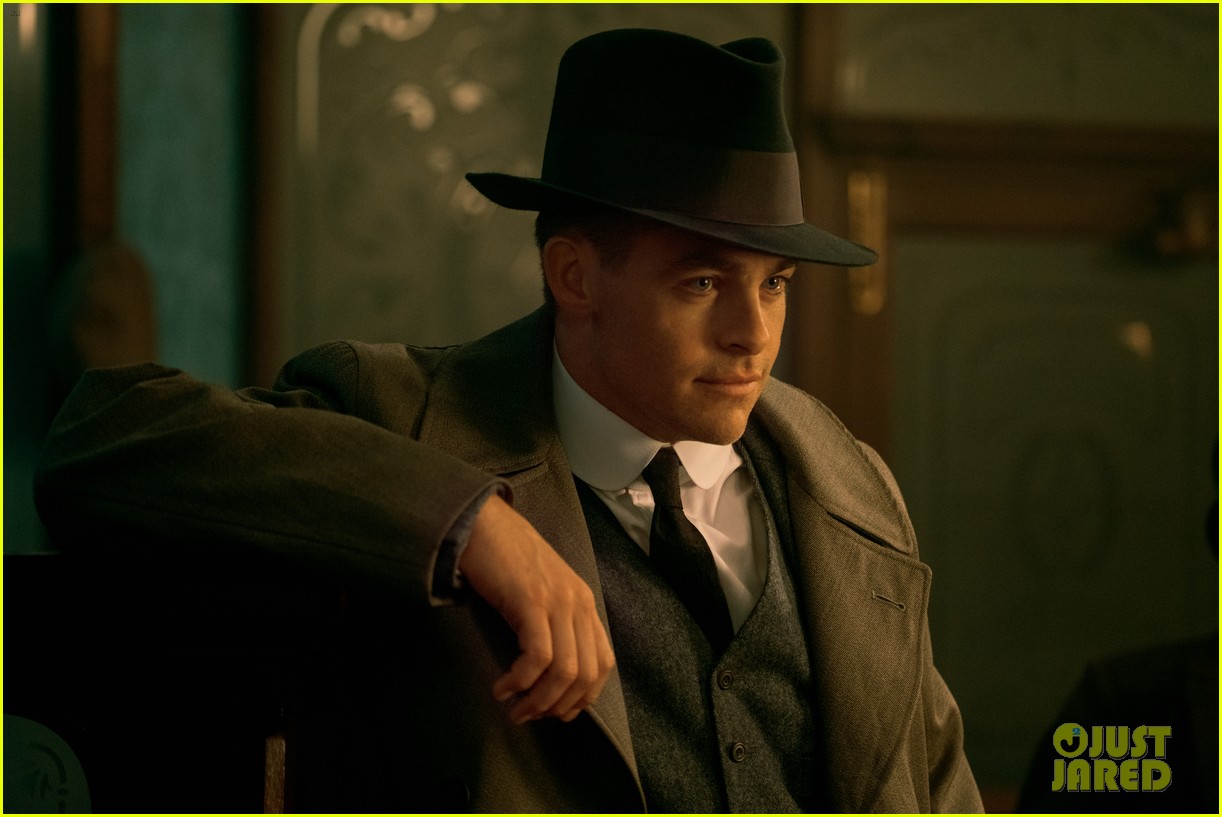
The real standout of the cast is Chris Pine as Steve Trevor whose enigmatic, comedic performance really provides the film’s heart and soul in a fantastical story as well as really strengthening the performance of Godot as a result.  His ability to be seamless with the moments of comedy and drama are on display here with understated subtly that allow those moments to work effectively.  The moments with Diana and Steve are made believable through their refined chemistry that it becomes integral to their growth as characters.  The romance also works because of the direction of Jenkins and having it drive the characters forward instead of feeling like a prerequisite for these types of films.  Chris Pine continues to show his versatility as an actor and really shines brightest in this film from the rest of the cast.


The rest of the supporting cast fit their roles well enough in being part of a special forces unit or comic relief for the leads throughout the film without being too obnoxious or annoying.  The “not Howling Commando” mercenaries Sameer (Saïd Taghmaoui), Charlie (Ewen Bremner), and Chief (Eugene Brave Rock) are played by character actors and fit their respective characters quite nicely with the leads.  Trevor’s secretary Etta Candy (Lucy Davis) has a few funny moments as well, mainly with Diana Princes’ naivety to the customs of the world for women.  The Amazonian characters are doable to watch despite the forced in accents to fit with Godot’s nationality but they play their parts admirably despite the somewhat leaden dialogue they all must speak at times.  The kid actors for Diana are meh at best and fail to even do the accent, but they are thankfully limited in their screen time.  As for the other characters particularly the villains, they are either dull to watch or overacting to the point of extreme camp and not in a fun way unfortunately, that also contradicts the tone of the film at times from being dramatic to stylized comic book story of the day.  That should cover the talents in front of the camera and the cast overall which are good and fit their respective roles.


Now for the technical aspects of the film from the CGI effects to art direction of the setting and costumes and finally, the composition score itself for this superhero outing.  The CGI effects are decent at times to look at but they still suffer the same issues as the previous film in that they have this dirty rubbery look to it that lacks any sense of real impact in the action scenes or for some of the backdrops.  It is used effectively in establishing the world of the 1900’s as well as Themyscira which has a ton of color to display (to be honest, it was hard not to marvel at the use of color in this film and appreciate its presences after suffering through previous films with dark, grimy color/lighting palettes).  It is near the third act where the CGI gets a bit ropey with its effects and movement that feels like an overly extended video game cutscene and not in a good way.  This film’s use of CGI is very mixed overall from being effective in establishing the worlds the characters inhabit but it does undercut the sheer power of the action set pieces at times.


However, the artistic direction and look of the film is an impressive achievement in of itself especially with the setting of WW1 as well as Themyscira, the Amazonian kingdom beyond the realms of Earth.  First off, the look of the 1900’s is magnificent as well as the look of the period spot on in both its visual design and the grim, serious tone of the war present here in a respectful manner.  It is a clever deviation to set the story in WW1 instead of WW2 despite the villains themselves feeling out of place due to the nature of their comic book incarnations made during the Nazi regime and not just for Germany during WW1.  As for the Themyscira, it has this exotic yet regal quality to it that feels like a blend between Vikings and Greek cultural styles to really make them standout from other fantasy versions to it.  A quick note regarding the iconic Wonder Woman costume is that it looks great on camera, visually colorful, and just really feels memorable for this interpretation.  The artistic work here is fantastic to look at and really deserves some accolades for getting the period right but also making the outlandish elements work for this world.


Finally, we have the composition score for the film that has undergone some drastic changes now that it is dedicated to the character’s story and not as a part of another film.  The composition is done by Rupert Gregson-Williams this time around and he incorporates some of the recognizable theme of the character from the previous entry Batman V. Superman.  It is the type of theme that does grow in recognition and is used in the main score effectively with more natural, acoustic sounds to really showcase how ingenious the theme is in comparison to the electric cello, synth sounds of Han Zimmer’s work.  It has enough dramatic, action swells and movements to keep the film moving forward and it makes those memorable moments standout thanks to the assured musical identity present in this film.  This is one of the better musical composition scores for a superhero film in that it fits the story here and changes the instrumentation of the theme to really fit evenly with the tone and style of the character here.


For a female superhero film directed by an award winning female director, there was a ton of money along with hype and expectation riding on this film to succeed.  It is safe to say that Wonder Woman succeeds in many ways despite stumbling in a few areas, that seem to be a reoccurring problem with the superhero films in general.  It is a miracle that we got a competent quality film despite the reports of post-production problems which is a testament to skilled filmmakers working on the production as well as the power of editing and post work to fix the fundamental issues of the film to what we ended up overall.  Wonder Woman is a surprisingly good, satisfyingly enjoyable superhero war film that solidifies Diana Prince as a hero for our generation and is exceptionally well acted, maintains the ideals and origins of the character with a modern touch to it, and the action set pieces are enjoyable when we see it in full motion.  This is one hero to look up to and see for yourself how she rises to the challenge in theaters.


Score: **** out of *****


Wonder Woman is a rousing success of quality filmmaking, highly spirited and talented acting on display, some truly thrilling action set pieces, and the fundamental core of this character made engaging and understandable to comic book fans and film viewers alike.  Gal Godot is Wonder Woman for this generation and rightfully so on a visually/athletic level as well as showing improvement as an actor despite still having some issues with certain big dramatic moments on her own.  She is supplemented by a fantastically nuanced performance from Chris Pine along with a great supporting cast that truly work well with our leads despite the villains being an afterthought and a bit hammy for this viewer’s taste.  The art direction is truly stellar in recreating the time of WW1 as well as the Themyscira is truly a wonder to look at and explore.  What knocks it down a few pegs is its inherent similarities to Marvel’s Captain America: The First Avenger in both its positives (period adventure, enigmatic chemistry among cast, etc.) and its flaws (rushed and contrived finale, stock villains with little to no personalities, etc.) which it can’t shake upon repeat viewings.  This is still one hero that rises above the issues and has become the first superhero of the DC universe that feels established and ready to see more adventures from her.


(Credit to Entertainment Weekly and Just Jared for Photos)